

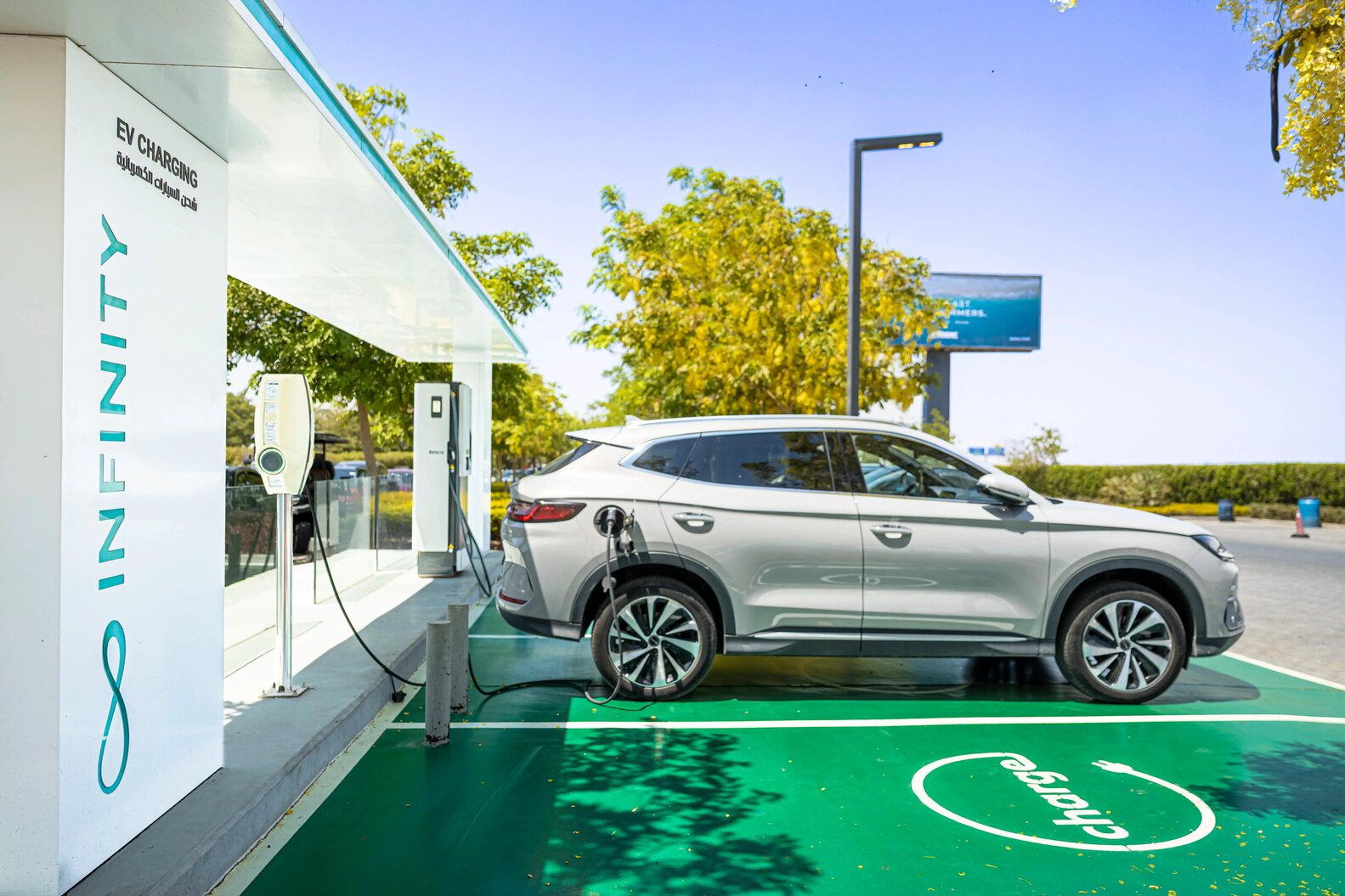
How to Choose the Right Home EV Charger
Installing a home EV charger can transform the way you use an electric vehicle. Instead of planning every charging session around public infrastructure, you can replenish your vehicle while it is parked at home.
But which charger should you buy?
The answer depends on your vehicle, property, electrical supply and driving habits—not simply the charger with the highest number on the box.
1. Check Your Vehicle's Charging Capability
Start with the vehicle.
- Connector type
- Maximum AC charging rate
If your vehicle supports a maximum AC charging rate of 7kW, connecting it to a 22kW AC charger will not automatically make it charge at 22kW.
The vehicle ultimately determines how much AC power it can accept.
2. Identify Your Connector Type
Depending on your vehicle and its market specification, you may encounter connector standards such as Type 1, Type 2 or GB/T.
Before purchasing a charger or cable, confirm the exact specification of your vehicle.
This is particularly important for imported EVs because the same model can sometimes use different charging standards in different markets.
3. Understand Your Home's Electrical Supply
The next question is what your property can safely provide.
Home charging installations may use single-phase or three-phase electricity depending on the property and required charging power.
- Existing electrical capacity
- Distribution board
- Available load
- Earthing
- Cable route
- Distance to parking
- Required protection equipment
- Charger location
Never choose a charger purely by advertised power without confirming that your electrical installation can support it.
4. Choose the Appropriate Charging Power
7kW
A practical option for many residential charging requirements, particularly where compatible single-phase power is available.
11kW
Can provide faster AC charging for compatible vehicles and electrical installations, typically requiring suitable three-phase infrastructure.
22kW
Offers higher AC charging capacity but requires both the vehicle and electrical installation to support it.
Higher power is not automatically better.
The best charger is the one that matches your vehicle + property + driving requirement.
5. Think About How Much You Actually Drive
You may not need to recharge your entire battery every night.
- Average daily kilometres
- Typical battery percentage when returning home
- Time parked overnight
- Weekend driving
- Frequency of longer journeys
A driver travelling moderate distances each day may have many hours overnight to replenish the energy used during the day.
This can significantly influence the charging power actually required.
6. Decide Between Tethered and Socketed Charging
A tethered charger has a charging cable permanently attached.
It can be convenient because you simply park and connect.
A socketed charger allows a compatible cable to be connected when required and may provide greater flexibility.
Your choice should consider convenience, parking setup, cable storage and vehicle compatibility.
7. Consider Smart Charging Features
Selected chargers can offer connected functionality such as:
- Charging schedules
- Remote monitoring
- Energy-use information
- User access controls
- Mobile connectivity
- Charging history
Smart features can be particularly useful when you want greater visibility and control over home energy use.
8. Think About the Installation Location
Consider whether the charger will be:
- Indoors or outdoors
- Mounted on a wall or pedestal
- Close to the vehicle's charging port
- Exposed to weather
- Shared between multiple vehicles
- Installed in a private or shared parking area
Cable length is also important. A powerful charger is of little use if the cable cannot comfortably reach the vehicle.
9. Don't Forget Installation and Maintenance
A home charger is electrical infrastructure, not simply another electronic appliance.
Professional installation helps ensure the charger, electrical protection, wiring and property infrastructure work safely together.
Ongoing inspection and maintenance can also help identify wear, cable damage, connector issues or operational faults.
10. Use Compatibility Guidance Before Purchasing
The easiest buying journey should connect three pieces of information:
Your car + Your property + Your charging needs
Infinity EV's charging solutions are designed to help customers move from product selection through compatibility assessment, installation and ongoing support.
Build Your Home Charging Solution
Choosing the right EV charger doesn't have to be complicated.
Start by identifying your vehicle, understanding your property's electrical capacity and determining how you use your car.
Then choose the charging solution that brings those requirements together.
Check Your Vehicle Compatibility
Shop Home EV Chargers
Request a Site Assessment
 Find a Charger
 Shop Chargers